






TL;DR:
Travel can be much more than a memorable experience. It can also strengthen your résumé. The skills and experiences you gain while traveling can help you stand out to employers when presented effectively. Rather than treating a gap year or extended trip as a gap in your work history, position it as valuable professional development.
In This Article:

How To Market Your Gap Year Travel To Potential Employers
Your time away can do more than just change how you see the world, it can change how the world sees your résumé.
Coming home from a long stretch of travel means facing the same question every time: how do you explain the gap? The honest answer is you don't explain it; you use it. The skills you picked up on the road are real, and most of them translate directly to what employers are already looking for. A few ways to make that case:
- Practical skills learned through classes, certifications, or hands-on work
- Volunteer and international service experience
- Paid or freelance work completed abroad
- Transferable soft skills like communication, adaptability, budgeting, and working under pressure
- Travel stories that double as interview answers about real-world problem-solving
Treat the time away as professional development, not a gap. Here's how to build the case.
Getting Ready To Go
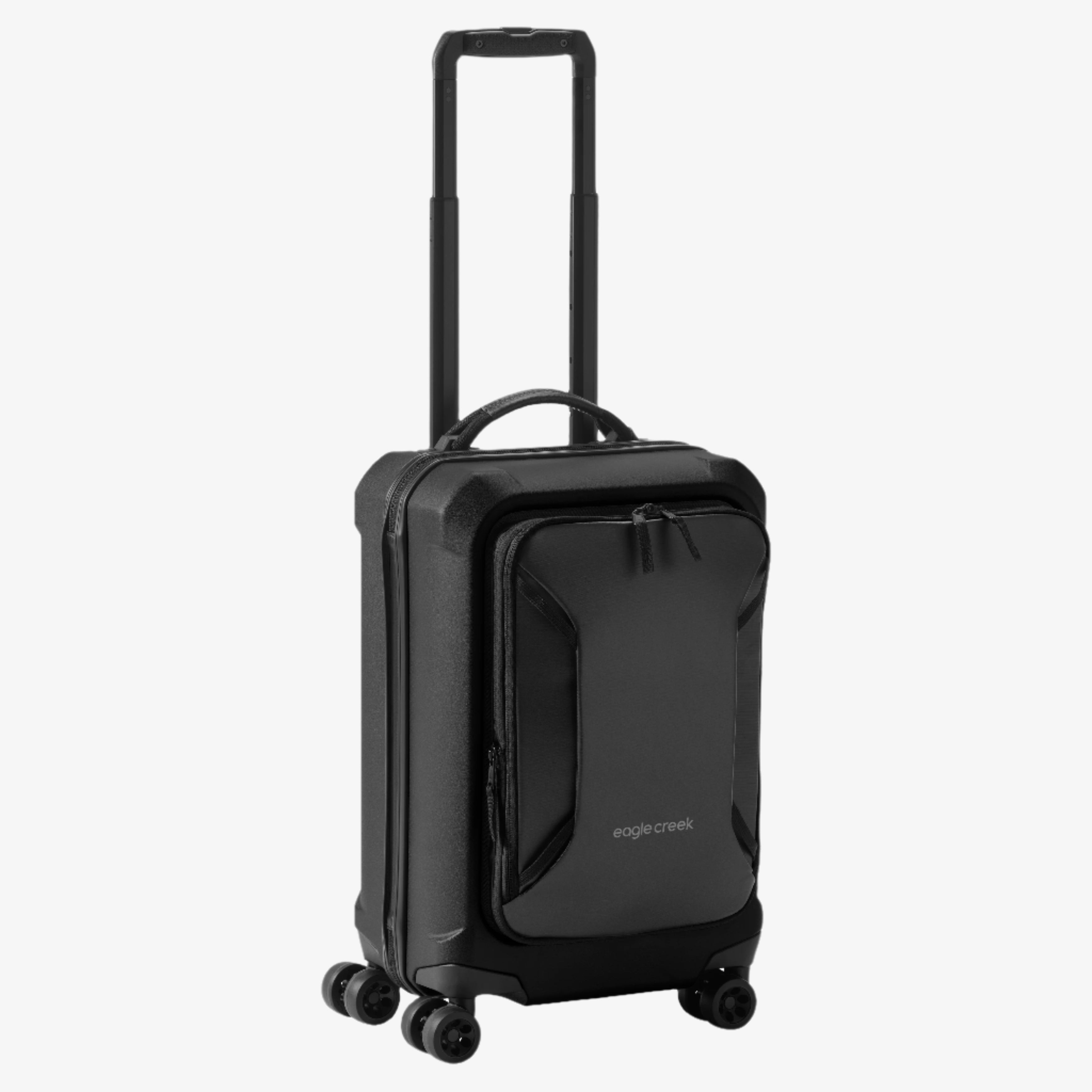
Before any of that, there's the packing list. A gap year isn't a two-week trip. You're bringing gear that has to hold up across seasons, climates, and however many buses, boats, and border crossings your route takes. A few items worth getting right before you leave:
- A backpack that can do more than one job. You'll want something that works as well for a weekend side trip as it does for a long-stay adventure. A bag like the Tour Lite Travel Pack carries hands-free and doesn't scream "backpacker" the moment you walk on to a plane or into an office.
- Packing cubes for organization and efficiency. Living out of one bag for months only works if you can find things in it. Pack-It® cubes keep laundry day, layover chaos, and hostel-room packing sane, and most people who've done a long trip will tell you this is the gear that actually changes how the trip feels day to day.
- A duffel bag that can take a beating. If your route involves overland travel, farm work, or anything rougher than airports and taxis, a No Matter What duffel is built for the trip that doesn't go as planned.
- Secure travel accessories. Visas, documents, a laptop, and maybe even a résumé. You’ll need some accessories to keep your smaller items secure and organized while you’re out exploring the world.
None of this makes the trip, but being prepared does mean less time troubleshooting gear and more time doing the things you'll actually put on your résumé.
Practical Skills
Sitting on the beach shouldn't make it into the body of your résumé, but there are plenty of exotic activities that should. Consider learning the Italian language in Tuscany, getting a scuba diving license in Cairns, signing up for a month of Muay Thai martial arts training in Northern Thailand, or taking a class on Polynesian culture in Maui. These activities will not only help you connect to your travel destination on a deeper level but will also look great in the "hobbies" or "other experience" areas of your résumé.
Volunteer Experience
If you spent several days, weeks, months or years volunteering or fundraising as part of your travels, include those activities when you make a résumé. These experiences can help shape who you are as a person, and you should be including them. Plus, employers always like to see that their new hires will impact the community in a positive way. If your trip's volunteer work relates to your field, put it in the "work experience" section of your résumé. If the volunteer work is unrelated to your career, add it under the “hobbies”, “community service” or “other experience” heading of your résumé.
Paid Work
Getting paid to milk cows on a farm, teach English, or run the front desk at a hostel are all examples of jobs that you have while abroad. They demonstrate that you're productive, ambitious, and hardworking, so they belong on your résumé. Think about what skills you learned in those jobs that will help you in the position that you’re applying for. If you crewed yachts in the Caribbean, you probably learned how to provide excellent customer service and remain cool under pressure. These skills would also serve you well in, say, a management position at an office. If you kept a blog while you were traversing Central America, you likely picked up some knowledge about coding and copywriting, skills that would be helpful if a potential employer is about to launch a new website.
Soft Skills
When traveling for an extended period of time, it’s almost impossible not to boost your independence, improve your negotiation skills, become a clearer communicator, and better understand budgeting. Résumé help: Those bullet points may look like filler if you try to fit them into the work history portion, so save them for your cover letter and/or have anecdotes prepared for an interview.
Communication
When you travel for extended periods of time and immerse yourself in location cultures, you learn how to connect with people from all different backgrounds and experiences. There may be language and cultural barriers to overcome. Effective communication and working well with others, no matter their background or personality type, are not only important life skills, they can also translate well to the working world. If an interviewer asks you how you deal with conflict, a story about how you diffused a fight between two people who didn’t speak the same language at a hostel in Peru can show off your mediation skills.
Traveling the world shows initiative, curiosity, and the ability to adapt on the fly. Bring that same mindset to the job search, and keep exploring, wherever you land next.


